
DEEP SEA FISHING VS REEF FISHING: WHICH CHARTER IS RIGHT FOR YOU?
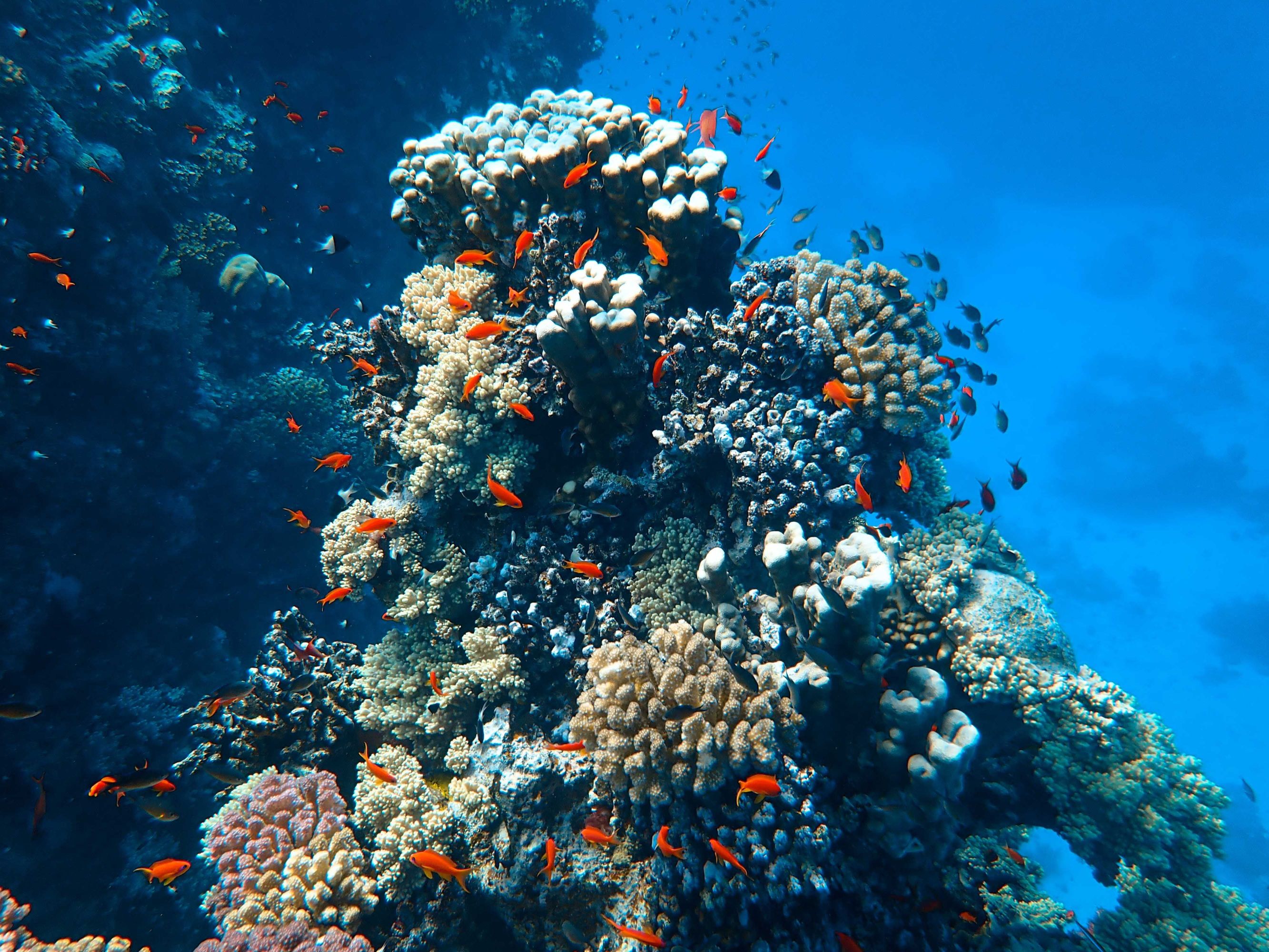
Understanding reef fishing vs deep sea fishing can help you select an experience that suits your skill level, expectations, budget and travelling companions.
Both styles of fishing can deliver memorable days on the water, but they are quite different. Reef fishing typically focuses on productive reef systems where anglers target a variety of tropical species, while deep sea fishing generally takes you farther offshore in pursuit of larger pelagic and game fish.
If you’re considering a deep sea fishing charter Port Douglas visitors can enjoy, or you’re deciding whether reef fishing would be a better fit, this guide compares target species, equipment, skill level, comfort, family suitability and cost.
What Is Reef Fishing?
Reef fishing involves fishing around reefs, coral structures and other productive underwater habitats. The waters accessible from Port Douglas offer opportunities to experience the extraordinary marine environment associated with the Great Barrier Reef region.
Depending on the location, conditions and target species, reef fishing can involve techniques such as bottom fishing, drifting, jigging and using bait or lures.
One of reef fishing’s major attractions is variety. Rather than concentrating exclusively on one trophy species, anglers may encounter several species during the same outing.
It can also be an approachable introduction to offshore fishing, making reef fishing appealing to beginners, families and mixed groups where not everyone is an experienced angler.
What Is Deep Sea Fishing?
Deep sea fishing takes anglers into deeper offshore waters, often with a greater emphasis on large pelagic or game species.
A deep sea fishing charter Port Douglas experience may involve travelling farther offshore and using specialised techniques and heavier equipment appropriate to the conditions and target fish.
The appeal is easy to understand: there is something special about heading offshore knowing the next strike could come from a powerful fish capable of putting both angler and equipment to the test.
Deep sea fishing can therefore be particularly attractive to experienced anglers and visitors looking for a more challenging, sport-focused day.
So how do the two options compare?
- Target Species: Variety vs Big-Game Potential
Target species are one of the biggest differences when comparing reef fishing vs deep sea fishing.
Reef Fishing
Reef environments support an enormous variety of fish. Depending on seasons, regulations, locations and conditions, anglers in tropical North Queensland may encounter species associated with reef and bottom fishing such as coral trout, various emperors and other tropical reef species.
For many anglers, the fun comes from not knowing exactly what will take the bait next.
Reef fishing can therefore be ideal if you value:
- A variety of potential catches
- Consistent fishing activity
- Bottom and reef fishing techniques
- A relaxed but engaging fishing experience
- Opportunities suitable for anglers with different experience levels
Deep Sea Fishing
Deep sea fishing tends to appeal to anglers interested in powerful pelagic and game fish.
Depending on the season and type of charter, offshore fishing can involve targeting species such as mackerel, tuna and billfish, among other pelagic species.
The emphasis can shift from catching multiple reef species to pursuing fewer but potentially larger and more challenging fish.
For serious anglers, the anticipation of a major strike is a significant part of the attraction.
- Equipment: How Does It Differ?
The equipment required is another important consideration when comparing reef fishing with deep sea fishing.
Reef Fishing Equipment
Reef fishing gear depends on the technique and target species but typically needs enough strength to deal with powerful fish while allowing anglers to fish effectively around reef structure.
Charter operators may use suitable rods, reels, lines, terminal tackle, bait and lures according to the day’s fishing plan.
The key challenge is often stopping hooked fish from reaching reef structure where lines can become damaged or broken.
Deep Sea Fishing Equipment
Deep sea and game fishing can require heavier, more specialised equipment.
Larger reels, strong lines, robust rods, specialised leaders and appropriate lures may be used when targeting powerful offshore species. Trolling equipment can also play an important role depending on the fishing method.
One advantage of joining an established charter is that you don’t necessarily need to understand or purchase all this specialised equipment yourself. The crew can prepare the appropriate tackle and explain how to use it.
That makes charter fishing accessible even if your own fishing gear is sitting at home.
- Skill Level: Do You Need Fishing Experience?
You don’t have to be an expert angler to enjoy a fishing charter, but the ideal type of charter may depend on how much experience you have.
Reef Fishing for Beginners
Reef fishing can be an excellent choice for beginners because many techniques can be learned relatively quickly with guidance from an experienced crew.
That makes it suitable for:
- First-time anglers
- Holidaymakers wanting to try fishing
- Families with varying experience levels
- Groups containing both anglers and non-anglers
- Experienced fishers who simply enjoy reef fishing
There is still plenty of skill involved, particularly when a strong reef fish tries to reach cover, but newcomers can usually participate without needing years of experience.
Deep Sea Fishing for Experienced Anglers
Deep sea fishing can offer a greater physical and technical challenge, particularly when targeting large game fish.
A serious offshore fight may demand stamina, patience and the ability to follow instructions from the crew.
That doesn’t mean beginners can’t book a deep sea fishing charter Port Douglas experience. A professional charter crew can introduce newcomers to offshore fishing techniques.
However, if your main objective is serious sport fishing and pursuing larger species, deep sea fishing may be the more natural choice.
- Comfort: Which Is the Easier Day on the Water?
Comfort is sometimes overlooked when choosing a fishing charter.
The reality is that going farther offshore can mean longer travel times and exposure to open-water conditions. Sea conditions vary, and even an experienced angler can occasionally discover that their stomach has different plans for the day.
Reef fishing may involve less time travelling to very deep offshore grounds, depending on the charter and fishing location. That can make certain reef trips attractive to people who prefer more fishing time without committing to an intensive game-fishing experience.
Anyone concerned about seasickness should discuss trip conditions and suitable options with the charter operator before departure.
Other practical preparations include sun protection, suitable clothing, drinking water and following the crew’s advice about what to bring.
- Families vs Serious Anglers
Your travelling companions may ultimately determine which charter is right for you.
Families and Mixed Groups
For families, beginners and mixed-experience groups, reef fishing can be particularly appealing.
The potential for varied fishing action can help keep people engaged, while the experience of travelling through spectacular tropical waters is part of the day itself.
Parents should always check a charter operator’s age requirements, safety policies and trip recommendations before booking with children.
Reef fishing may also suit groups where some people are passionate anglers while others simply want an enjoyable day on the water.
Serious Anglers
If your idea of the perfect fishing trip involves chasing powerful fish offshore, testing quality tackle and potentially spending considerable time working for one memorable strike, deep sea fishing deserves serious consideration.
Experienced anglers often understand that offshore sport fishing isn’t about guaranteed constant action.
It is about the pursuit.
Finding fish, selecting techniques, waiting for an opportunity and then responding when the strike finally arrives are all part of the experience.
- Cost Differences: Reef Fishing vs Deep Sea Fishing
Price is naturally an important factor when comparing charter options.
There isn’t a universal rule because charter costs depend on factors such as:
- Trip duration
- Vessel and fuel requirements
- Distance travelled
- Type of fishing
- Number of passengers
- Private versus shared charter arrangements
- Equipment and inclusions
- Seasonal fishing objectives
Deep sea and specialised game-fishing trips may cost more when they involve longer distances, increased fuel consumption and specialised equipment.
Reef fishing trips can sometimes provide a more accessible option for families or casual anglers, although prices vary according to the specific charter.
Rather than comparing prices alone, consider overall value.
Ask what is included, how long you’ll spend on the water, what style of fishing is planned and whether the charter matches what you actually want from the day.
The cheapest trip isn’t necessarily the best value if it doesn’t provide the experience you’re looking for.
Reef Fishing vs Deep Sea Fishing: Quick Comparison
| Factor | Reef Fishing | Deep Sea Fishing |
| Target fish | Diverse reef and bottom species | Pelagic and game species |
| Equipment | Reef-specific rods and tackle | Often heavier specialised game-fishing equipment |
| Skill level | Beginner to experienced | Often best suited to anglers seeking greater challenge |
| Physical demands | Generally moderate | Can be higher when fighting large fish |
| Families | Often a strong choice for mixed groups | Depends on trip length, conditions and individual experience |
| Fishing style | Variety and reef action | Offshore pursuit and sport fishing |
| Typical cost considerations | Depends on duration and charter type | Longer specialised trips can involve higher costs |
Which Fishing Charter Should You Choose?
Choose reef fishing if your priorities are variety, accessibility and an enjoyable fishing experience that can accommodate different skill levels.
It can be particularly suitable if you’re:
- Fishing for the first time
- Travelling with family
- Part of a mixed-experience group
- Interested in catching tropical reef species
- Looking for an engaging day of fishing without making trophy game fishing the sole objective
Consider deep sea fishing if your priorities are challenge, offshore adventure and pursuing larger pelagic species.
A deep sea fishing charter Port Douglas trip may be right for you if you’re:
- An enthusiastic or experienced angler
- Interested in game fishing
- Comfortable spending longer periods offshore
- Looking for powerful pelagic species
- More interested in the pursuit of a major catch than constant fishing action
Neither choice is inherently better. The best charter is the one that matches your expectations.
Experience Port Douglas Fishing with MV Norseman
Port Douglas is an outstanding base for anglers who want to experience tropical North Queensland fishing, whether the goal is exploring productive reef grounds or pursuing an offshore fishing adventure.
When choosing your trip, consider the time of year, target species, experience level of your group and how much time you want to spend on the water.
The team at MV Norseman can help you understand the available fishing experiences and choose an option suited to your group and fishing goals.
Whether you’re introducing the family to reef fishing or searching for a more serious offshore challenge, planning the right charter gives you the best foundation for a memorable day.