
BEGINNER’S GUIDE TO REEF FISHING TECHNIQUES USED IN PORT DOUGLAS
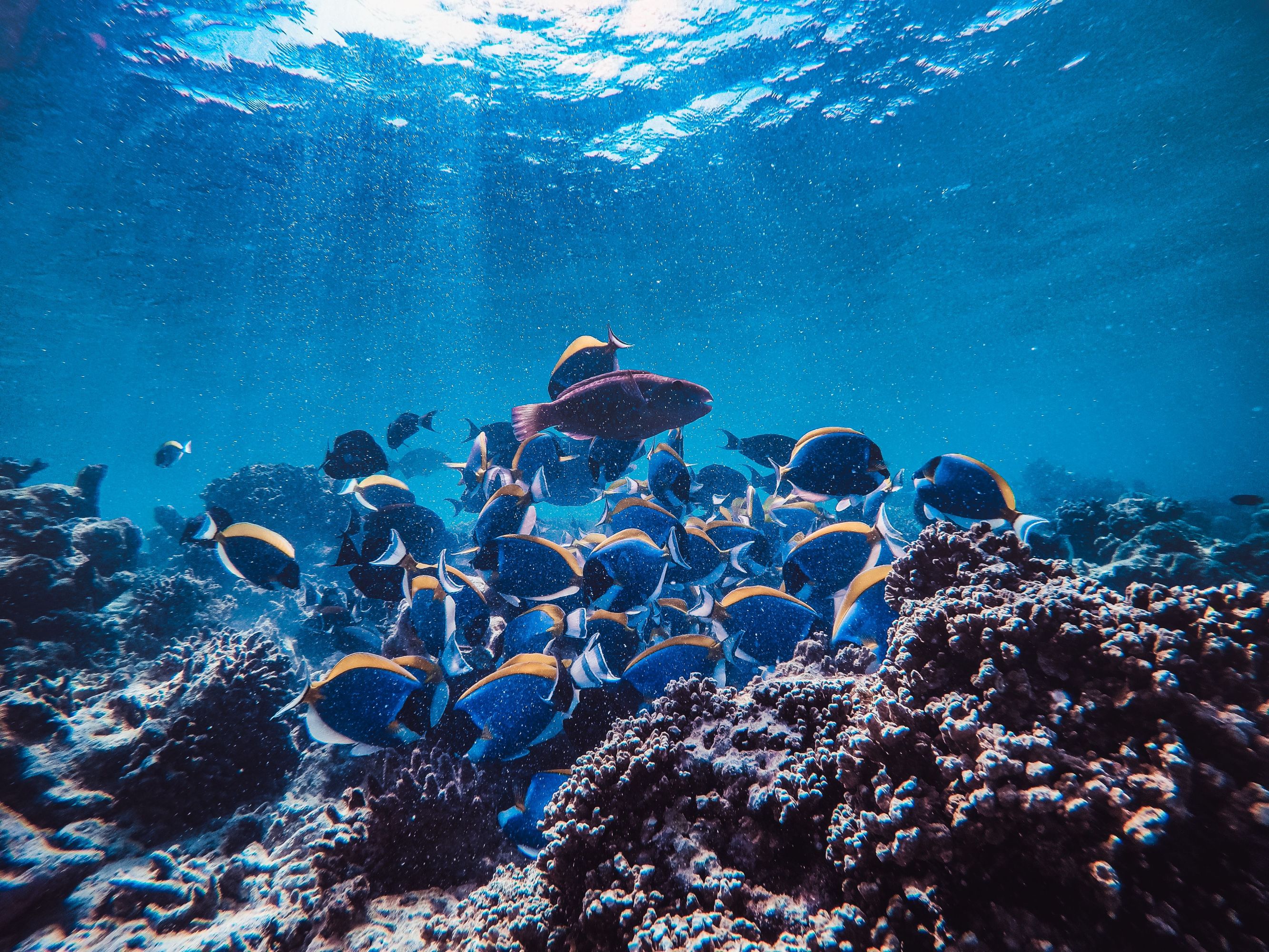
If you’re new to reef fishing in Port Douglas, there’s no better place to learn than the waters of the Great Barrier Reef. With productive reef systems, a huge variety of tropical fish and experienced local crews available to help, Port Douglas offers beginners the chance to experience genuine reef fishing without needing years of angling experience.
The good news is that many successful reef fishing techniques are relatively straightforward to learn. From dropping bait to the bottom to working a jig through the water column, understanding a few basic techniques can dramatically improve your chances of getting a bite.
This beginner’s guide covers the fundamentals, including bottom fishing, float fishing, jigging, choosing bait, using rods and reels, setting the hook, fighting bigger fish and safely landing your catch.
Why Reef Fishing in Port Douglas Is Ideal for Beginners
Port Douglas provides convenient access to the Great Barrier Reef and a diverse range of reef-dwelling fish. Depending on the location, season and conditions, anglers may encounter species such as coral trout, large-mouth and small-mouth nannygai, emperor, cod, trevally, cobia and Spanish mackerel.
One of the advantages of joining an experienced Port Douglas fishing charter is that much of the difficult work is already taken care of. The skipper understands the local reef systems and chooses fishing areas according to factors such as conditions and where fish are likely to be feeding.
For beginners, that means you can concentrate on learning how to fish rather than trying to work out where to start.
- Bottom Fishing
Bottom fishing is one of the most important reef fishing techniques to understand and is particularly well suited to targeting reef-dwelling species.
The basic principle couldn’t be simpler: a weighted bait is lowered towards the seabed, where many reef fish feed around coral structures, drop-offs and other underwater features.
Once your rig reaches the appropriate depth, maintain contact with the line rather than allowing excessive slack to develop. This makes it much easier to detect bites.
Some bites will feel like small taps. Others can be surprisingly aggressive.
When a fish takes your bait, be prepared to react quickly. Reef fish often instinctively head back towards coral or structure after being hooked. Getting them moving away from the bottom during the first few seconds can therefore be critical.
Bottom fishing can produce species such as coral trout, red emperor and nannygai, making it an excellent starting point for anyone experiencing reef fishing in Port Douglas for the first time.
- Float Fishing
Float fishing presents bait higher in the water column rather than directly on the seabed.
A float or similar rig helps control the depth at which the bait is presented. This can be useful when fish are feeding away from the bottom or when you want to keep your bait above reef structure.
The technique also gives beginners an obvious visual indication of activity.
Keep an eye on the float and your line. If the float suddenly disappears, changes direction or behaves differently, a fish may have taken the bait.
Rather than immediately making an enormous strike, stay alert to the tension on the line and follow the crew’s advice about when to set the hook.
- Jigging
Jigging is a more active style of reef fishing and a great option for anglers who enjoy working a lure rather than waiting for a bait to be taken.
A jig is a weighted artificial lure designed to imitate prey moving through the water.
The basic technique involves dropping the jig to the required depth before retrieving it with movements of the rod and reel. Depending on the type of jig and target species, this might involve short lifts, faster mechanical movements or a slower rhythmic retrieve.
The objective is to make the lure look like vulnerable prey.
One of the biggest mistakes beginners make is assuming faster is always better. Fish behaviour changes with depth, current and conditions, so experiment with your retrieve and listen to your crew.
Jigging can also be physically demanding when performed continuously, so maintaining a relaxed grip and smooth technique will help conserve energy.
- Choosing the Right Bait
Bait selection can make a significant difference when reef fishing.
Common options include fish pieces, pilchards and other locally appropriate baits, while live bait may sometimes be used depending on the fishing style and target species.
Freshness and presentation are important.
Your bait should be securely attached to the hook while still looking natural enough to attract a feeding fish. If it is poorly positioned, smaller fish can sometimes remove it without getting hooked.
Avoid using unnecessarily large pieces simply because you’re hoping to catch a big fish. The correct bait size should match the hook, target species and fishing conditions.
On a charter, follow the crew’s recommendations. They spend their time fishing these waters and can advise which bait and presentation are working on the day.
- Rod and Reel Basics
You don’t need to be an expert with expensive fishing equipment to enjoy reef fishing in Port Douglas.
For most beginners, learning a few fundamentals is enough.
Start by becoming familiar with the reel and drag system. The drag allows line to leave the reel when a fish pulls with sufficient force, reducing the risk of breaking the line.
Keep the rod pointed in a comfortable position while waiting for a bite, and avoid allowing excessive slack into your line.
When retrieving a fish, use the rod and reel together. Lift the rod smoothly to gain line, then lower it while winding the reel.
This “lift and wind” technique allows you to steadily bring a fish towards the boat without relying entirely on the reel.
Depending on the charter and fishing method, handlines may also be used for traditional reef fishing.
- Setting the Hook
Feeling that first bite is one of the most exciting moments in reef fishing.
However, immediately jerking the rod as hard as possible isn’t always the answer.
The correct hook-setting technique depends on the rig, hook style and species being targeted. With some setups, a firm lift or controlled strike is appropriate. With others, steadily increasing pressure is more effective.
The important thing is to maintain contact with the fish.
Once the hook is set, keep tension on the line. Allowing the line to become slack can give the fish an opportunity to shake the hook.
If you’re fishing with an experienced crew, follow their instructions. They’ll quickly tell you whether you need to strike, wind or simply maintain pressure.
- Fighting Larger Reef Fish
Hooking a larger fish is when things become particularly interesting.
Your first instinct may be to pull as hard as possible. Usually, a controlled approach is more effective.
Keep steady pressure on the fish and let the rod absorb sudden movements. If the fish is powerful enough to take line against a correctly adjusted drag, allow the equipment to do its job.
When the fish slows, regain line using the lift-and-wind technique.
With reef species, the opening stage of the fight can be particularly important because many fish attempt to return to coral, rocks or other structure. If they reach cover, the line can rub against the reef and break.
Listen closely to instructions from the crew, maintain your balance and avoid rushing.
A good fish may make several runs before it’s ready to come alongside.
- Landing Your Catch
Seeing your fish appear beside the boat doesn’t mean the job is finished.
Many fish are lost during the final few metres because anglers become excited and try to lift them aboard using the fishing rod.
Avoid doing this unless specifically instructed.
Keep the fish controlled alongside the vessel while maintaining tension on the line. Larger fish will generally be landed by an experienced crew member using the appropriate equipment.
Once the fish is aboard, give the crew room to handle it safely. Reef fish may have sharp teeth, spines or powerful movements, so don’t immediately grab an unfamiliar species.
The crew can also help identify your catch and determine whether it meets applicable fishing regulations.
Beginner Reef Fishing Tips to Remember
A few simple habits can make your first reef fishing trip much more enjoyable:
- Keep your line tight enough to detect bites.
- Pay attention to instructions from the crew.
- Check your bait regularly.
- Don’t strike wildly every time you feel movement.
- Keep steady pressure on hooked fish.
- Use the rod and reel together rather than relying purely on winding.
- Be ready for a bite as soon as your bait reaches the fishing zone.
- Never try to lift a large fish into the boat using the rod.
- Ask for help whenever you’re unsure.
Most importantly, don’t worry if you don’t master everything immediately. Reef fishing is learned through experience, and every bite gives you another opportunity to improve.
Experience Reef Fishing in Port Douglas with MV Norseman
Learning reef fishing techniques is much easier when you have an experienced local crew helping you throughout the day.
MV Norseman has decades of local reef fishing experience and operates dedicated reef fishing trips from Port Douglas. The purpose-built vessel provides plenty of fishing space, while anglers can choose between custom-built rods and traditional handlines.
The crew targets popular reef species including coral trout, nannygai, emperor, cod, trevally, cobia and mackerel while helping beginners understand the techniques needed to fish the Great Barrier Reef.
Whether you’ve never held a fishing rod before or you’ve done some fishing and want to experience the reef for the first time, a guided trip removes much of the guesswork.
You’ll have the equipment, local knowledge and practical assistance needed to concentrate on the best part — fishing.
Ready to experience reef fishing in Port Douglas?
Join MV Norseman for a full day on the Great Barrier Reef and put these reef fishing techniques into practice with an experienced local crew.
Book your Port Douglas reef fishing charter with MV Norseman today.